Base Expands Tokenized Asset Controls With Cobalt Upgrade
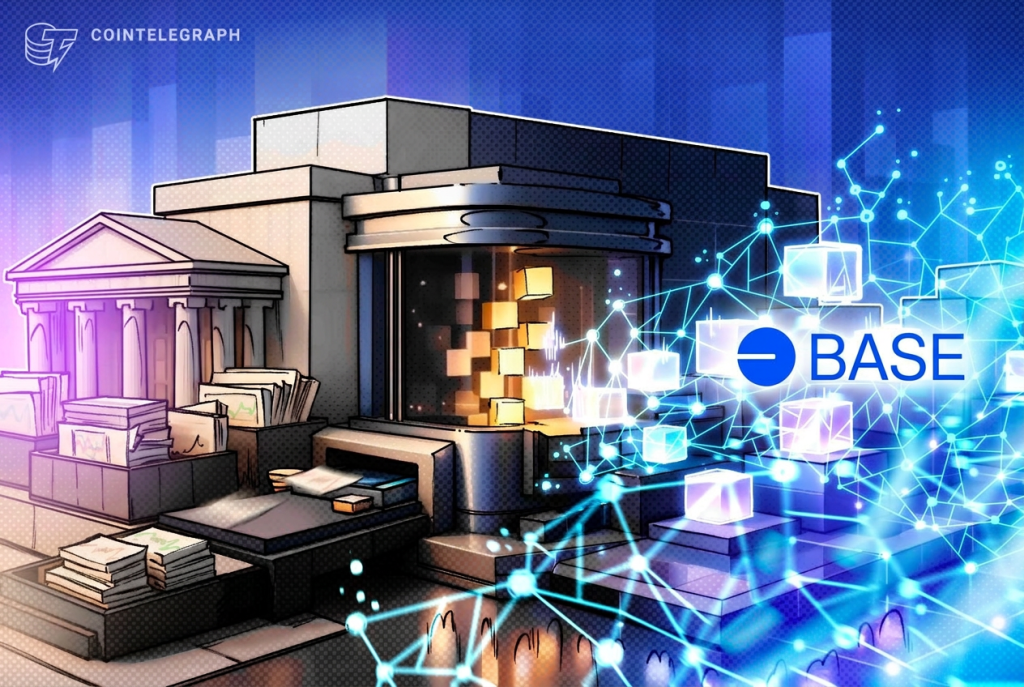
Base activated its Cobalt upgrade Wednesday, adding conditional transactions and new issuer controls for tokenized assets as the Ethereum layer-2 network deepens its push into onchain finance.
Cobalt, Base’s third major upgrade, expands its B20 token standard by allowing issuers to apply several compliance checks to the same asset. For example, an issuer could require recipients to pass identity checks, qualify as accredited investors and not appear on a sanctions list.
Issuers can also schedule adjustments for corporate actions such as stock splits. The update changes the number of shares displayed in wallets and apps without minting or burning tokens or altering the underlying balance.
It also allows issuers to give authorized administrators the power to move tokens from a holder’s wallet without the holder’s approval and attach a public note to the transfer. Base said issuers decide whether to enable the feature and who can use it. Base itself cannot initiate such transfers.
The changes give issuers additional compliance and administrative tools needed to bring traditional financial products onchain.
Cobalt also introduces Validity Transactions, which allow users to submit transactions that become eligible for inclusion only when specified onchain conditions are met, giving traders more control over transaction timing.
A trader could submit a swap that becomes eligible only if an asset reaches a specified price before a set block deadline. Base would hold the transaction and evaluate the conditions against the chain’s state as each block is built. Base said transactions submitted through the system can remain private until they are included in a block.
Base sharpens focus on tokenized finance
The Cobalt upgrade builds on Base’s recent push into tokenized finance. On July 8, Base activated B20 as a native token standard for stablecoins, tokenized real-world assets and other fungible tokens, allowing issuers to create assets without building custom token contracts.
On July 16, Base creator Jesse Pollak said the network had made a “wrong bet” by focusing on creator, content and messaging apps and had fallen behind in areas including prediction markets and perpetual futures.
Related: Coinbase, Apex Group tokenize Bitcoin Yield Fund on Base
Pollak said financial applications, including trading and payments, would become a greater focus as Base sought to develop into a blockchain for global finance.
The standard has since gained a prominent use case. On Aug. 25, Coinbase launched tokenized US stocks on Base, issuing B20 tokens representing shares in Apple, Nvidia, Meta and Alphabet.
Base said it plans over the coming months to reduce block times from two seconds to 200 milliseconds, introduce protocol-level support for sponsored transaction fees and bundled transactions and adopt some of the technical changes planned for Ethereum’s Glamsterdam upgrade.
Magazine: Altseason is coming — and traders are more discerning this time