
Do MemeToro’s Low Trust Scores and Unaudited Future Contracts Signal a Real Risk?

A trust score as low as 25% and future smart contracts that haven’t been audited are not exactly reassuring phrases to see next to a crypto project.
MemeToro has had both attached to its name, and they’ve become two of the easiest arguments to use against it. The project itself is building an AI-powered memecoin launch platform on BNB Chain, with an AI agent designed to track trends, filter possible meme ideas and eventually turn selected concepts into token releases.
MemeToro’s native $MT token (already on CoinMarketCap) is currently in presale and, at the time of writing, sits in Stage 7 at $0.00430, with just over $133,000 raised toward the $156,312 round target. The site lists a planned launch price of $0.05186.
So this is still very much a project in the middle of being built, which is also where some of the criticism starts. Where did the low scores actually come from? Which contracts are unaudited? Are they live? Are they holding funds? What has already been checked, and what does MemeToro’s public GitHub show?

There’s enough public material around both points to check them properly, and that’s what this review does.
What Is Actually Behind MemeToro’s Low Trust Scores?
ScamDoc puts MemeToro’s trust score at 25%, although it eventually comes down to three things: a young domain, hidden WHOIS details and a “short life expectancy” tag, so most of that 25% is just a penalty for being new.
Gridinsoft gives MemeToro 50/100, which is slightly better, although the report is primarily picking up the same kind of things. The domain is nine months old, there isn’t much credibility data around it yet, and its third-party reputation score is low. The website advises caution, but notably doesn’t place the project in the “Risky Territory” range, acknowledging its active SSL certificate and verified X and GitHub profiles.
The same applies outside GitHub too, with MemeToro keeping an active and growing Telegram community.
There’s a pretty big difference between that and a checker finding phishing pages, malware or another direct security threat. In other words, the number looks much harsher than the findings behind it.
MemeToro also isn’t the first crypto project to end up with a pretty ugly score on one of these websites. A quick look at other memecoins that have already gone through launch shows how little the number can sometimes tell on its own. Ponke’s official site scores 36.8/100 on Scam Detector, and Mog Coin is almost the same at 36.6/100. Both tokens have successfully entered the market, found real trading activity and are still around.
A weak trust score is worth looking into, sure, but it’s not the same thing as saying a project is a scam, won’t launch, or has no chance of doing well once it does.
That’s probably why those scores haven’t translated into much concern elsewhere either. Media pieces that have looked into the accusations tend to come away pretty positive on MemeToro, with no obvious red flags pointing to a scam.
MemeToro’s GitHub Makes the Build Easy to Track
MemeToro’s GitHub is probably where the project becomes easiest to judge on something more concrete than a trust score. The repo is public, and it’s not just a README with a roadmap attached to it. There are separate folders for the agent, contracts, documentation and launch manifests, plus a development log and security file.
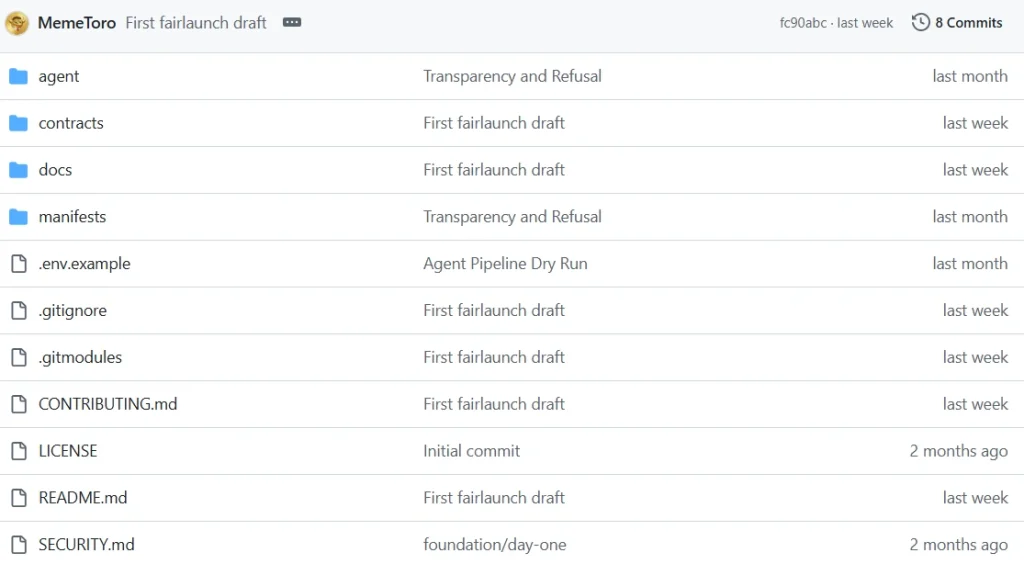
The Agent side is also broken down into actual data sources and infrastructure instead of being described only as a future idea. The repo currently includes connectors for worldwide news and X trend signals, with Perplexity and xAI keys set up in the environment file, while the README describes the current build as an early pipeline MVP rather than a finished autonomous Agent.
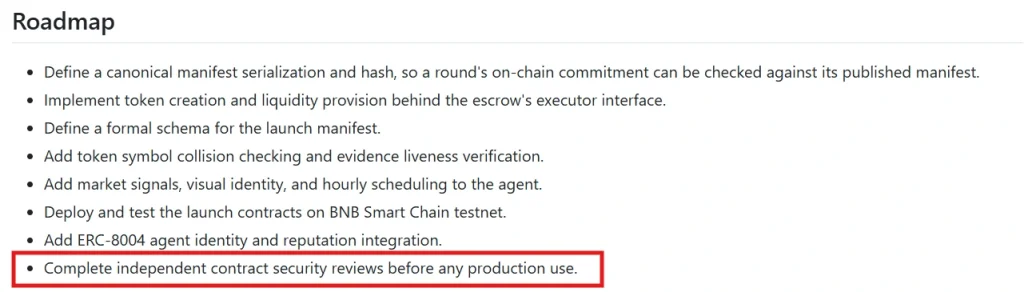
The strongest part of the repo is how clearly it shows what remains undone. MemeToro says there is no hourly autonomous service, no deployed launch contract and no working end-to-end launch yet. The fair-launch contracts are still drafts, and the roadmap puts BNB Chain testnet deployment and independent security reviews ahead of production use.
That all makes GitHub a much better place to check where MemeToro actually stands than trying to read too much into the age of its domain. The finished pieces are there to inspect, the unfinished ones are labeled as such, and the development trail can be followed as those pieces change.
The Unaudited Contracts Aren’t Live Contracts
MemeToro already has a deployed $MT token contract, and that contract has been through security reviews. Coinsult found no major problems such as honeypot behavior, blacklisting or unusually high fees.
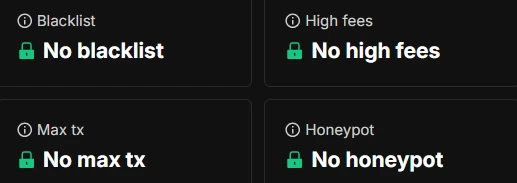
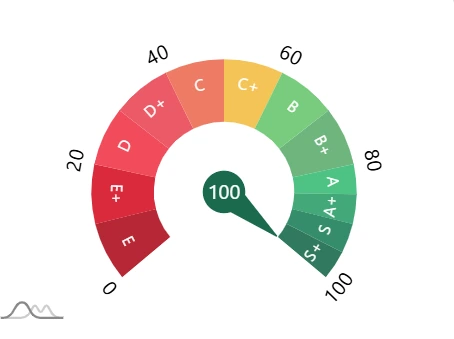
This is also confirmed by SolidProof’s audit, while BlockSAFU gave the contract a trust score of 100.
The contracts some reviews are referring to as unaudited are something else. They’re the future fair-launch contracts MemeToro plans to use once its Agent can run the wider process, including funding rounds, token launches, claims and refunds.
Those contracts are still being built, and MemeToro states that pretty clearly on GitHub. The current-status warning says they aren’t production-ready and shouldn’t be used with real funds yet, while the roadmap separately lists independent contract security reviews before any live deployment.
What Would Really Make MemeToro Look Suspicious?
There are things that would make MemeToro feel genuinely sketchy pretty fast:
phishing or malware warnings around the site,a token contract that traps buyers or gives someone weird hidden control,major audit problems that were found and then just left there,active contracts already taking people’s money before anyone properly reviewed them,no public code, no visible build, no real sign that anything exists beyond the website.
That would be hard to explain away.
What’s being pointed at with MemeToro here is nowhere near that level. It’s just a young domain getting rough trust scores and future contracts that haven’t reached the audit stage because they’re still being developed. That’s really the part that feels overplayed.